PAX Origins: Built Inside a Medical Device Manufacturing Facility
PAX wasn't designed in a venture capital boardroom or by consultants who studied manufacturing from a distance. It was built inside a medical device manufacturing facility near Seattle, WA, because we needed something better and nothing on the market existed that fit our reality.
More precisely, PAX was built to solve the specific pain points of Class I, II, and III medical device manufacturers with simple Bills of Materials (BOMs), clear requirements around lot and expiration tracking, 10-year document retention for regulatory compliance, and the need to handle US exports properly while maintaining clean GAAP accounting.
The System We Couldn't Live With
For years, we used an ERP system that claimed to specialize in medical device manufacturing. In theory, it sounded perfect. In practice, it was just another bloated, "one-size-fits-all" enterprise system designed by people who'd never actually worked on a manufacturing floor.
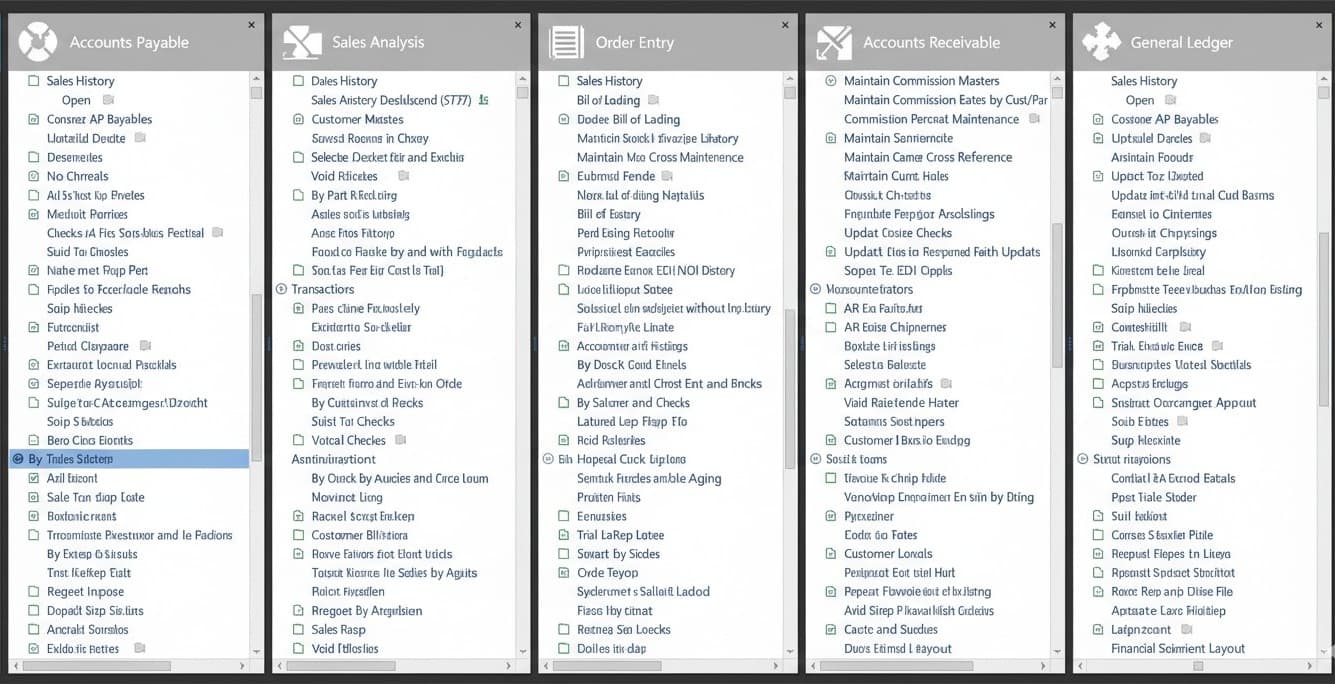
The interface looked like it was built in the 1990s. Menus went on forever with multiple levels. Finding anything felt like a scavenger hunt. Want to view customer order history? Navigate through five nested menus. Need to reprint an invoice? Same thing. Simple tasks required hunting through endless submenus and modules that didn't apply to us. This is the complexity tax we'd later document.
Then there was bank reconciliation. Every month felt like threading a needle in the dark. Transactions would mysteriously group together, hidden by the vendor's so-called "Simple Inventory" features. We'd spend hours trying to untangle what should have been straightforward. It wasn't just frustrating. It was expensive.
The cost was staggering: $15,000 in implementation and training, then $1,900 every single month. If we needed something customized, the quote was always at least $6,000. For a small medical device manufacturer trying to compete with larger companies, that added up fast.
What We Actually Needed
We started asking ourselves: what does a medical device manufacturer like us actually need from an ERP system?
Lot and Expiration Tracking. Our finished goods needed to be traceable back to raw material lots and suppliers in seconds. We needed to print lots directly on packing lists, manage FIFO with the option to override when necessary, and instantly answer recall questions: which finished goods contain material from supplier lot X?
10-Year Document Retention. Medical industry audits happen regularly. We needed every financial record, customer invoice, quality document, and regulatory file stored, searchable, and audit-ready without filing cabinets full of paper. The option to back up locally mattered too, since cloud solutions will always be slower than a file server on site.
Simple MRP for Simple Operations. Most of our BOMs were single-level. A few were two or three levels. We didn't need 300 modules for complex demand planning or advanced supply chain optimization. We needed straightforward order-driven manufacturing scheduling with backwards traceability. Nothing more.
GAAP-Based Accounting. Clean bank reconciliation. Transparent inventory transactions. No grouped mystery entries obscuring our financial picture. Our accounting team needed to trust the numbers.
Features Built for Small Teams. Integrated CRM that doesn't slow down sales reps. FedEx and UPS integrations with automatic label printing. Employee labor tracking rolled directly into work orders. Quote-to-order conversion with zero data re-entry. Every feature had one purpose: reduce manual work for lean teams.
We looked at the ERP market and realized: nobody was building for this. Every vendor was trying to sell us everything. They wanted us to buy modules we'd never use, navigate complexity we didn't need, and pay for features that created more problems than they solved.
Building the Alternative
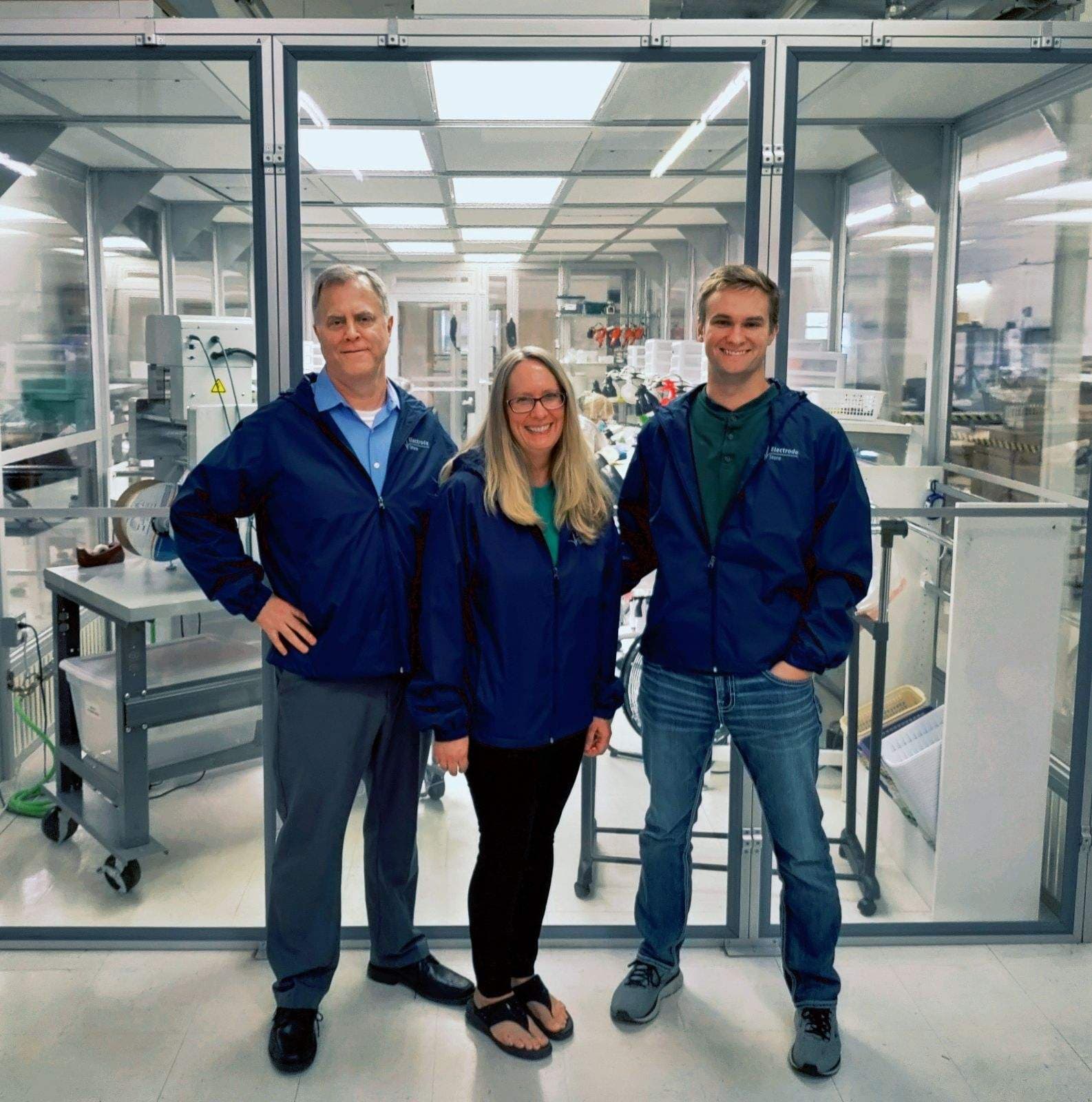
Over two years, we built PAX. Not as a side project. Not as a theoretical exercise. We built it because we needed to solve our own problems. Every feature exists because we used it daily. Every workflow was designed because we lived it.
The result was a system that does medical device manufacturing well. It doesn't try to be everything to everyone. It's built specifically for small to mid-sized manufacturers with simple to moderate BOMs.
What PAX includes:
- 10-year document retention with searchable audit trails
- Lot/expiration tracking with finished goods component traceability
- Quote-to-order conversion with zero re-entry
- FedEx/UPS integrations with automatic tracking and label printing
- Support for Commercial Invoices, Certificates of Origin, Declarations of Conformity, Health Canada documents, and more
- Fully featured CRM designed for lean, efficient sales teams
- Employee labor costs automatically assigned to work orders
- GAAP-compliant accounting with streamlined bank reconciliation
A Warning About Choosing Wrong
If you're a small medical device manufacturer evaluating ERP systems, use extreme caution. Vendors will do almost anything to win your business, even if it means your company struggles for years afterward.
The wrong ERP doesn't just cost money. It costs productivity, employee morale, and decision-making speed. It ties up your team's time fighting the system holding your data hostage, time that could be used building your business.
We learned this the hard way. We spent years paying for a system that made us slower, not faster. That's why we built PAX differently.
Is PAX Right for You?
PAX is built for manufacturers with simple to moderate BOMs and regulatory compliance requirements (if you don't have regulatory requirements, the system's organization and clean database is still be valuable when it comes to speed or analyzing data). If your operation requires advanced demand planning or complex multi-level assemblies, we can help you evaluate other options. We'd rather point you toward the right system than watch you struggle with the wrong one.
Answer a few quick questions to see if PAX might be a good fit:
For a more detailed look at what PAX offers medical device manufacturers, including capabilities and pricing, visit the PAX for medical device manufacturers page.
Written by
Matthew Obey
March 2, 2026
Tell us your story
We understand the pain of choosing the wrong ERP. If you'd like to discuss whether PAX is right for your operation, or if you'd like to share your ERP struggles, we'd love to hear from you.